
Education
Understanding Hamlet: Who Wrote It, Where It’s Set, and Who’s Who

Hamlet is one of the most studied and performed plays in the history of literature. Students, teachers, and readers around the world continue to explore its characters, setting, and themes. Even centuries after it was written, people still ask basic but important questions about the play. This article explains the essential facts about Hamlet in clear and simple language, focusing on its author, setting, main characters, and common points of confusion. The goal is to help readers understand the play without needing prior knowledge or an advanced literary background.
Who wrote Hamlet and why it matters
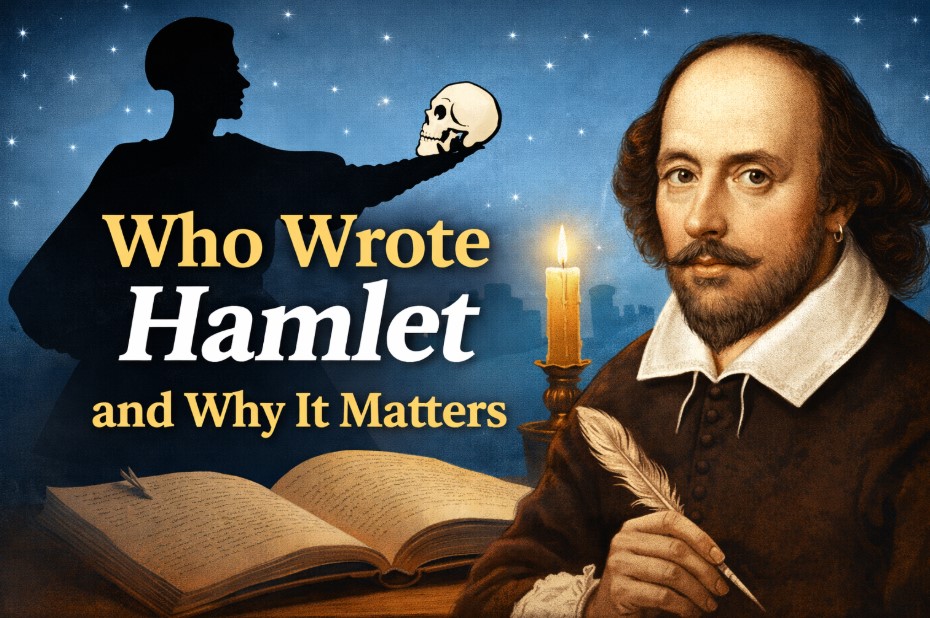
One of the most common questions asked by students is who the author of the famous play Hamlet is. The play was written by William Shakespeare, an English playwright and poet who lived during the late sixteenth and early seventeenth centuries. Shakespeare wrote tragedies, comedies, and histories, but Hamlet is considered one of his most important works.
Knowing the author helps readers understand the writing style and structure of the play. Shakespeare often focused on human emotions, moral choices, and internal conflict. In Hamlet, these elements are especially strong. The main character spends much of the play thinking, questioning, and struggling to decide what action to take. This reflective style is one reason the play is still relevant today.
Historical Background of the Play
Hamlet was written around the early 1600s, during a time when England was ruled by a monarchy and social roles were clearly defined. The audience of Shakespeare’s time was familiar with royal courts, inheritance rules, and family loyalty. These social structures play a major role in the story.
The play was written for the stage, not for silent reading. This means dialogue, speeches, and actions were designed to be seen and heard. Understanding this background helps readers make sense of long speeches and dramatic moments that might seem unusual in modern writing.
Where the Play takes Place
Another frequent question is which country is the setting for the play Hamlet. The story is set in Denmark, mainly in and around the royal castle of Elsinore. The cold, guarded atmosphere of the castle reflects the tension and uncertainty present throughout the play.
Denmark is shown as a kingdom dealing with political threats, internal mistrust, and leadership problems. The setting is important because it explains why guards are posted, why characters are concerned about invasion, and why royal decisions affect the entire country.
Clearing up Location Confusion
Some readers are confused about the geographical setting of the play. This leads to questions such as whether Hamlet was a play set in England or whether it was Hamlet set in France. The answer to both is no. Although the play was written by an English author and performed in England, the story itself does not take place there. France appears briefly in conversation when characters travel or discuss political matters, but it is not the main setting.
This confusion often happens because Shakespeare was English and wrote for an English audience. However, many of his plays are set in other countries, including Italy, Scotland, and Denmark. Hamlet is firmly set in Denmark, even though it was written in English.
The Main Character: Prince Hamlet
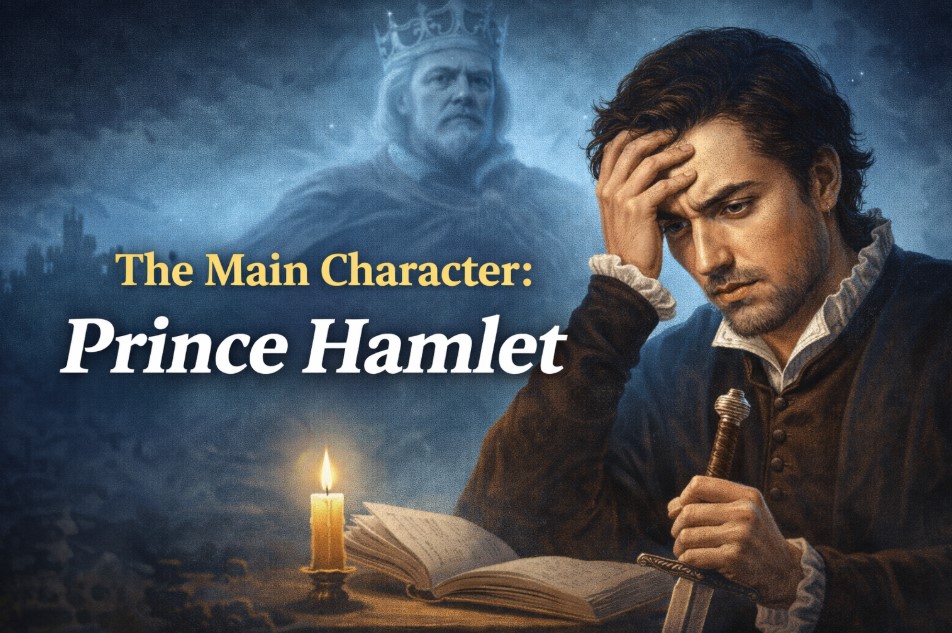
Prince Hamlet is the son of the former king of Denmark. At the start of the play, his father has died, and his mother has married his uncle. Hamlet is deeply troubled by these events and struggles with grief, anger, and confusion.
Unlike many heroes in traditional stories, Hamlet does not rush into action. He thinks carefully, questions motives, and worries about consequences. This makes him a complex character who feels realistic rather than idealized. His inner conflict is one of the central elements of the play.
Hamlet’s Family Relationships
Family plays a key role in the story. Hamlet’s relationship with his parents shapes many of his decisions. A common question asked by readers is what the name of Hamlet’s mother is in the play. Her name is Gertrude. She is the queen of Denmark and marries King Claudius shortly after the death of Hamlet’s father.
Gertrude’s actions cause emotional pain for Hamlet. He feels that her quick remarriage shows a lack of loyalty. Throughout the play, their relationship is strained, though Gertrude does not appear to fully understand the depth of Hamlet’s anger.
King Claudius and his Role
Claudius is Hamlet’s uncle and the new king of Denmark. He is a central figure in the conflict of the play. As king, he appears calm and capable, but his actions raise serious moral questions.
Claudius represents the contrast between appearance and reality, a major theme in the play. He often presents himself as a responsible ruler while hiding serious wrongdoing. This dual nature creates tension and drives the plot forward.
Other ImportanCharacters
Hamlet includes several supporting characters who influence the story. Each of them plays a specific role in developing the plot and revealing Hamlet’s personality.
Key characters include:
- Polonius, a royal advisor who values control and reputation
- Ophelia, Polonius’s daughter and Hamlet’s love interest
- Laertes, Polonius’s son, who acts quickly and emotionally
- Horatio, Hamlet’s close friend and a voice of reason
These characters provide contrast to Hamlet’s thoughtful nature and show different ways people respond to conflict.
A Common misunderstanding about Cordelia
One of the questions people sometimes ask is who Cordelia is in Hamlet’s play. This question comes from confusion between two different Shakespeare plays. Cordelia is not a character in Hamlet. She is a character in another play called King Lear.
This misunderstanding is common because Shakespeare wrote many plays with strong female characters, and names can sometimes blend together in memory. In Hamlet, the main female characters are Gertrude and Ophelia, not Cordelia.
Themes that Shape the Story
Hamlet explores several themes that remain relevant. These themes help explain why the play continues to be taught and performed.
Major themes include:
- The struggle between action and inaction
- The difference between appearance and truth
- Loyalty within families
- The impact of grief and loss
- Moral responsibility
These themes are presented through dialogue and character choices rather than direct explanations. Readers are encouraged to think and interpret rather than accept simple answers.
Why the Play is still Studied Today
Hamlet remains popular because it asks questions that do not have easy answers. The play does not tell readers what to think. Instead, it presents situations and allows audiences to form their own opinions.
The characters feel human because they doubt, make mistakes, and change their minds. This realism helps modern readers connect with a play written hundreds of years ago.
Understanding the Structure of the Play
Hamlet is divided into five acts, following the traditional structure of Shakespeare’s tragedies. Each act moves the story forward and increases tension. Important events are spaced carefully, allowing characters time to react and reflect.
Long speeches, called soliloquies, are a key feature of the play. These speeches allow Hamlet to speak directly to the audience, sharing his thoughts and fears. This technique helps readers understand his inner conflict more clearly.
Why Setting and Characters Matter Together
The setting of Denmark and the structure of the royal court influence how characters behave. Rules of honor, loyalty, and power affect every decision. Characters are not free to act without consequences, which increases tension and drama.
Understanding where the play is set and who the characters are helps readers follow the story more easily. It also explains why certain actions are delayed or carefully planned.
Final Thoughts
Hamlet is a complex but rewarding play. By understanding who wrote it, where it is set, and who the main characters are, readers can approach the story with confidence. The play does not require advanced knowledge, only patience and attention.
Clear answers to common questions help remove confusion and allow readers to focus on the story itself. Hamlet continues to be important because it reflects human thought, emotion, and moral struggle in a way that remains meaningful across generations.



Pimple Scar Cream Explained: Ingredients, Use, and Results

Best Solo Travel Destinations: Tips and Popular Places

SSIS 469: Common Causes and Troubleshooting Guide

Best Coffee Makers of the Year: Premium Picks Reviewed

Why Mahindra Tractors Are a Smart Long-Term Investment for Farmers
-

 Entertainment2 months ago
123Movies Alternatives: 13 Best Streaming Sites in 2026
-

 Entertainment2 months ago
13 Flixtor Alternatives to Stream Free Movies [2026]
-

 Entertainment2 months ago
GoMovies is Down? Here are the 11 Best Alternatives
-

 Entertainment2 months ago
13 YesMovies Alternatives to Watch Free Movies & TV Shows Online [2026]