Tech
Why OMS Testing Determines E-commerce Reliability

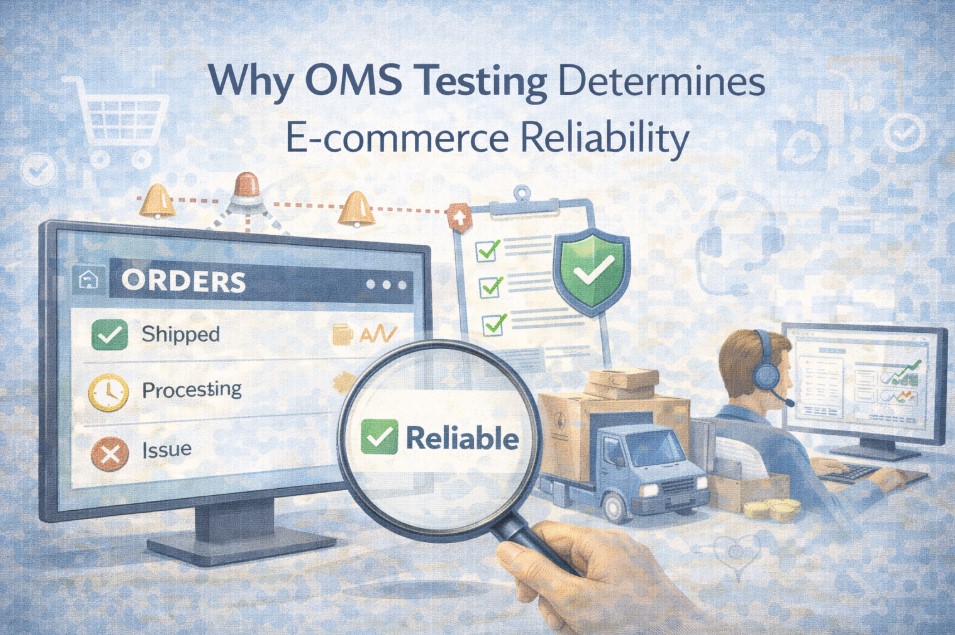
The majority of shoppers believe that e-commerce operates through product pages and payment gateways. The actual control center is elsewhere. The Order Management System serves as an air traffic control tower, directing orders, updating inventory, initiating order fulfillment, and maintaining customer information across platforms. When it works, no one notices. When it fails, everything goes wrong at once.
Even if your marketing and quick checkout are good, one OMS workflow problem can silently bring operations to a halt. For example, a confirmation was made, but the order was not passed to the warehouse. A transaction was recorded in one system but not accrued in stocks. A shipping notification that does not reach the customer. These failures don’t necessarily crash systems – they cause confusion, delays, and support tickets that accumulate faster than the teams anticipated.
The danger here is that OMS issues do not remain technical. They result in late deliveries, canceled orders, and customers questioning reliability. Minor workflow disruptions can spread to fulfillment, inventory planning, and financial reporting. It’s like a relay race where a single failed handoff delays the entire team.
This issue is important because, in e-commerce, reliability is not about flashiness, but rather the coordination of quiet systems. Organized OMS testing verifies key workflows, safeguards order accuracy, and helps maintain consistent operations as volumes increase and systems improve.
Ensuring Accurate and Efficient Order Processing
Validating end-to-end order workflows
Orders flow through your systems like packages on a conveyor belt. If there is a single handoff failure, the entire line grinds to a halt. OMS testing verifies the entire process – from order creation and payment confirmation to inventory management and shipping initiation – ensuring a seamless connection between every step.
You should be sure that a completed checkout is a fulfillable order. The test ensures that payments are authorized properly, inventory is updated automatically, and shipment orders are sent to the appropriate point of fulfillment. Even minor workflow mistakes will result in orders being held between systems and delays that are immediately felt by customers.
OMS testing services often simulate real purchase scenarios under different conditions – high traffic, partial payments, split shipments, or returns. These tests expose issues that don’t appear in simple demos. Catching these breaks early helps prevent cancellations, refund complications, and revenue leakage tied to failed order processing.
When workflows are validated as complete cycles rather than isolated actions, your order pipeline runs more predictably. That consistency directly supports faster fulfillment and fewer operational surprises.
Detecting integration issues early
An OMS rarely works alone. It interacts with your e-commerce platform, payment gateways, tax solutions, fraud solutions, and logistics solutions. Another moving part that may go out of sync is each integration.
Testing is done to ensure data is passed properly across systems. The product identities, prices, customer data, and shipping specifications should be the same across platforms. Any mismatch in any area may cause wrong charges, incorrect shipments, or unsuccessful delivery updates.
Early integration testing also ensures the behavior of systems when there is a change in one component. Order flows can be changed unexpectedly by a payment gateway update or a change in the logistics API. With these connections being validated on a regular basis, you minimize interruptions that only become evident once the customers begin making orders.
Good integration testing also ensures that your OMS is playing the role of a coordinator and not a bottleneck. Your systems are always up-to-date, and order processing is continuous as your tech stack continues to develop.
Protecting Customer Experience and Business Reputation
Minimizing order failures and delays
Reliability is what customers evaluate based on what gets to their doorstep and not on the complexity of your systems behind the scenes. When OMS is properly functioning, the orders go through checkout to shipment without any friction. When it does not, issues are quickly noticed – incorrect goods are delivered, orders are not received on time, or orders are not processed.
These real-world processes are subject to testing. This process verifies that shipping policies are applied correctly, inventory reservations prevent the same product from being sold twice, and status updates accurately reflect the actions occurring in fulfillment centers. Even minor logic errors in routing or stock allocation can lead to mis-shipments, resulting in returns, refunds, and support overload.
These breakdowns are prevented by reliable OMS workflows. Reduced failed orders translates to reduced recovery measures, including reshipment or credit, which silently reduce margins. More to the point, the customers have a smooth buying process as opposed to an uncertain one. The consistency creates trust in the long run.
For teams working with a remote software development team, regular OMS testing also ensures that distributed updates don’t introduce hidden workflow conflicts. Stability stays intact even as changes roll out from different locations.
Supporting scalability during peak periods
Volume of orders does not remain constant. Traffic can be increased many times in hours by promotions, seasonal spikes, or sudden surges in demand. A well-performing OMS may not be effective when the number of transactions increases dramatically.
Performance testing confirms the system’s ability to handle high throughput, concurrent updates, and rapid inventory changes. This testing quantifies response times, queue behavior, and the speed at which orders are processed between confirmation and fulfillment triggers. Bottlenecks are typically identified under pressure, rather than during normal operations.
Testing these peak scenarios beforehand minimizes the chances of slow processing, delayed confirmations, or system timeouts during traffic peaks. Customers are notified in time, and operations teams do not have to respond to emergencies during critical selling periods.
As long as your OMS can handle a heavy load, expansion does not necessarily imply service degradation. You preserve the quality of service and process increased volumes, and safeguard customer experience and brand reputation.
Conclusion
Reliable e-commerce operations depend on more than just a fast storefront and a smooth checkout process. Order management system testing plays a central role in ensuring orders move accurately through every stage, from payment confirmation to inventory updates and shipment. Testing validates workflows, integrations, and system performance under load to prevent silent errors that lead to delays, cancellations, and operational strain. The result is steadier order processing, more dependable systems, and a trustworthy shopping experience.
Taking a broader view, OMS testing becomes less of a technical checkbox and more of a safeguard for the entire business. It safeguards revenue by reducing failed orders and costly corrections. It also safeguards brand reputation because consistent delivery and accurate order handling influence how customers remember their experience. Thorough testing ensures that growth, system changes, or traffic spikes won’t undermine reliability, maintaining both performance and customer confidence.



Large Format Kitchen Tiles: Redefining Space and Visual Continuity

The Full Breakdown: What International Travel Insurance Covers in Medical Emergencies?

What Exactly Happens After a Peace Bond Expiration?

What is PuzuTask Com? A Complete Guide for Beginners