Fashion
XXXXXXXXL Size CXX Clothing: Size Chart and Fit Guide

Finding clothing that fits well becomes more challenging as sizes increase, especially when labels are not clearly explained. XXXXXXXXL size CXX clothing is one of those size terms that often confuses shoppers. This guide explains what this size means, how it usually fits, and how to use size charts correctly so you can shop with more confidence and fewer returns.
Understanding XXXXXXXXL Size CXX Clothing
Clothing sizes vary widely between brands, regions, and manufacturers. XXXXXXXXL size CXX clothing is generally designed for people who need extended sizing beyond standard plus-size ranges. The label combines a multiple-X size indicator with a numeric or code-based system used by some manufacturers to group body measurements.
This size is not universal. One brand’s XXXXXXXXL may fit very differently from another’s, even if both use the CXX designation. That is why relying on measurements rather than the name alone is important.
Who Typically Needs This Size Range
This size category is commonly created for individuals who experience limited options in mainstream fashion. It is often used for casual wear, workwear, sleepwear, and adaptive clothing. People who benefit from this size range usually look for comfort, ease of movement, and reliable proportions rather than fashion-driven cuts.
This size is also important for inclusivity, as it helps ensure that people of all body types can find clothing that fits without custom tailoring.
How Size Charts Work for Extended Sizes
A size chart is the most reliable way to understand fit. Extended-size charts usually list body measurements instead of garment measurements. This helps match clothing to real body dimensions.
Most size charts for extended sizes include the following measurements:
- Chest or bust circumference measured at the fullest point
- Waist circumference measured at the natural waist
- Hip circumference measured at the widest point
- Shoulder width for tops and outerwear
- Sleeve length from shoulder to wrist
- Inseam length for pants
When reviewing a chart, always check whether measurements are listed in inches or centimeters. Mixing units can result in ordering the wrong size.
Sample Measurement Ranges
Below is a general example of how extended sizes are often structured. These numbers vary by brand and should only be used as a reference.
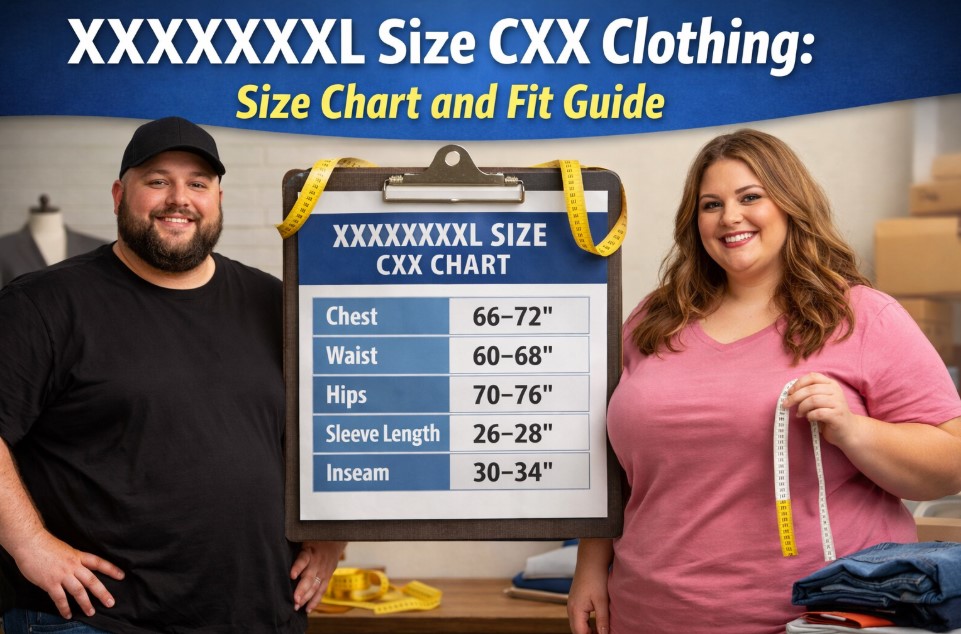
| Measurement Area | Typical Range |
| Chest or Bust | 66–72 inches |
| Waist | 60–68 inches |
| Hips | 70–76 inches |
| Sleeve Length | 26–28 inches |
| Inseam | 30–34 inches |
Always compare your own measurements directly to the chart provided by the seller.
How to Measure Yourself Correctly
Accurate measurements are essential for a good fit. Use a flexible measuring tape and measure over light clothing. Stand straight but relaxed, and do not pull the tape too tight.
For best results, follow these steps:
- Measure the chest or bust at the fullest area while keeping the tape level
- Measure the waist at the natural crease above the hips
- Measure the hips around the widest part of the lower body
- Measure sleeves with your arm slightly bent
- Measure inseam from the crotch to the ankle
If your measurements fall between sizes, most experts recommend choosing the larger option for comfort.
Fit Considerations Beyond Size Numbers
Even when measurements match, fit can still vary. Fabric type, cut, and garment purpose all affect how clothing feels when worn.
Important fit factors include:
- Fabric stretch, which allows more flexibility
- Garment length, especially for tops and jackets
- Rise in pants, which affects comfort when sitting
- Shoulder shaping in structured garments
- Seam placement, which can change how weight is distributed
Reading product descriptions carefully helps you understand these details before buying.
Common Fit Issues and How to Avoid Them
Extended-size shoppers often face repeated issues due to poor sizing standards. Knowing these problems in advance can save time and frustration.
Common issues include:
- Tops that fit the body but feel tight in the arms
- Pants that fit the waist but pull at the thighs
- Short garment lengths that ride up when moving
- Neck openings that feel restrictive
To avoid these problems, look for brands that clearly state their fit philosophy and provide garment measurements alongside body charts.
Shopping Tips for Online Buyers
Online shopping offers more options, but it also requires careful evaluation. Reviews from buyers with similar body types are especially helpful.
Before purchasing, consider the following tips:
- Check return and exchange policies
- Look for photos of real customers wearing the item
- Compare measurements with a similar item you already own
- Read notes about shrinkage or fabric stiffness
Taking a few extra minutes to research often results in better satisfaction.
Care and Longevity of Extended-Size Clothing
Proper care helps maintain fit and comfort over time. Heavier fabrics and larger garments can stretch or shrink if not handled correctly.
General care recommendations include washing in cold water, avoiding high heat when drying, and storing garments folded rather than hanging if the fabric is heavy.
Why Clear Sizing Matters
Clear labeling and detailed size charts improve the shopping experience for everyone. When brands invest in accurate sizing information, customers are more likely to find clothing that fits well and feels comfortable.
Understanding how XXXXXXXXL size CXX clothing is structured helps shoppers make informed choices and reduces uncertainty. By focusing on measurements, fit details, and fabric behavior, you can select clothing that meets your needs without relying solely on size names.


How AI Helps Detect Integration Failures Earlier

Choosing Estal: When Standard Glass Actually Helps Your Brand

Large Format Kitchen Tiles: Redefining Space and Visual Continuity

The Full Breakdown: What International Travel Insurance Covers in Medical Emergencies?

What Exactly Happens After a Peace Bond Expiration?
-

 Tech2 months ago
6 Free Spotify Downloader Tools for Songs and Playlists
-

 Finance2 months ago
How to Invest Mutual Funds for Beginners Step by Step
-

 Education2 months ago
Understanding Hamlet: Who Wrote It, Where It’s Set, and Who’s Who
-

 Tech2 months ago
What is Lopalapc2547? New vs Old Versions, PC Support, and Cost