
Business
How to Choose an Ergonomic Office Chair for Women That Actually Fits

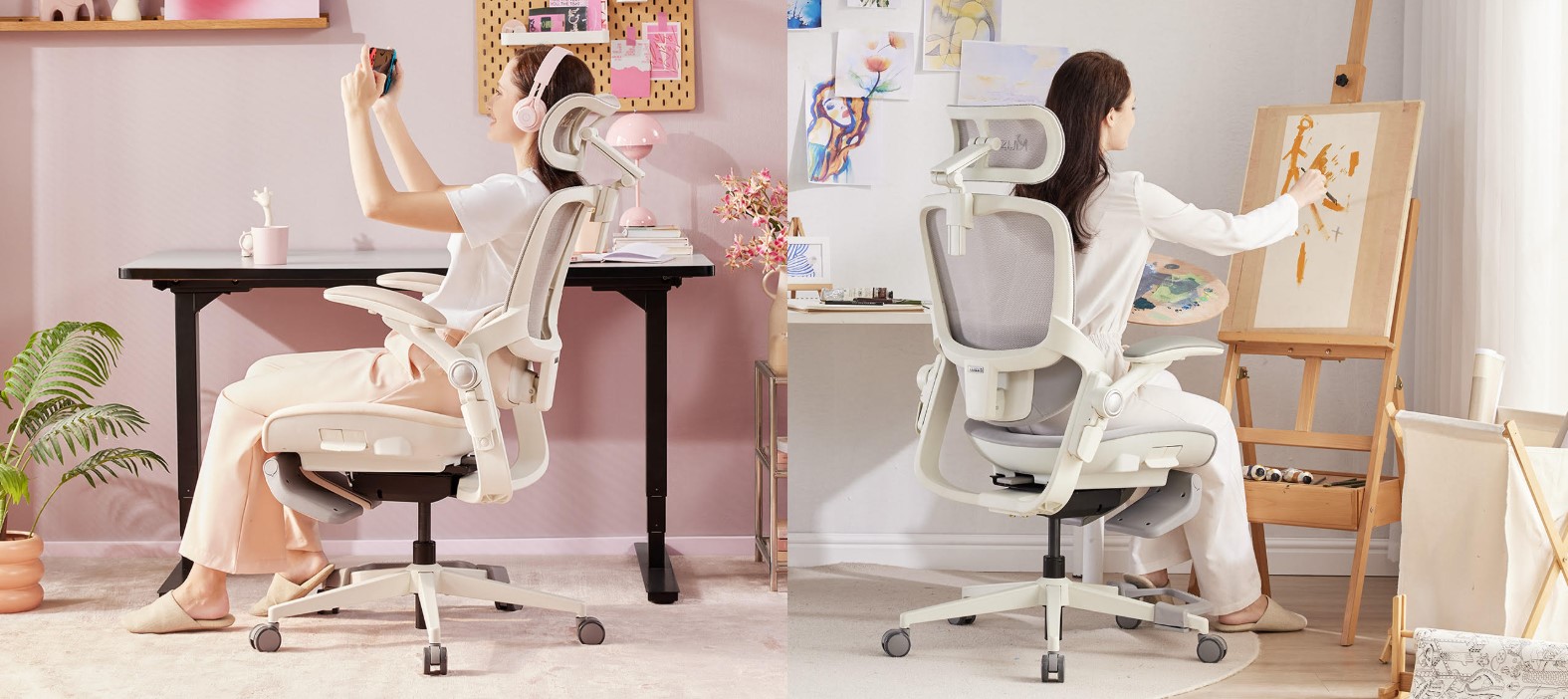
Shopping for an office chair often starts with a familiar checklist: ergonomic design, lumbar support, adjustable armrests, comfortable cushioning and a good-looking finish.
But there is another question that is just as important: Does the chair actually fit you?
For women, particularly those with smaller frames, finding the right fit can sometimes require looking beyond the standard features listed on a product page. Seat height, seat depth, lumbar position, armrest placement and the relationship between the chair and desk can all affect how comfortably you work.
That does not mean women need an entirely different type of office chair. Rather, it highlights the importance of choosing a chair that can accommodate individual body proportions and provide enough adjustment to create a comfortable working position.
For anyone spending hours at a desk, choosing a chair based on features alone may not be enough. The better approach is to consider how those features work with your height, proportions and workspace.
Here are seven things to consider before choosing your next office chair.
1. Start With Seat Height
One of the simplest ways to evaluate a chair is to check whether your feet can rest comfortably.
OSHA(Occupational Safety and Health Administration), the U.S. agency dedicated to protecting workers through workplace safety and health standards, recommends that the entire sole of the foot should be able to rest on the floor or on a stable footrest. A properly adjusted seat should also allow the user to maintain a supported, neutral working position.
If a chair is too high, shorter users may find themselves with dangling feet or may move forward in the seat to compensate. That can reduce the support provided by the backrest. If you lower the chair but the desk then becomes too high for comfortable typing, a footrest or an adjustable work surface may help. The important thing is to adjust the chair and desk together rather than treating either one as a standalone piece of furniture.
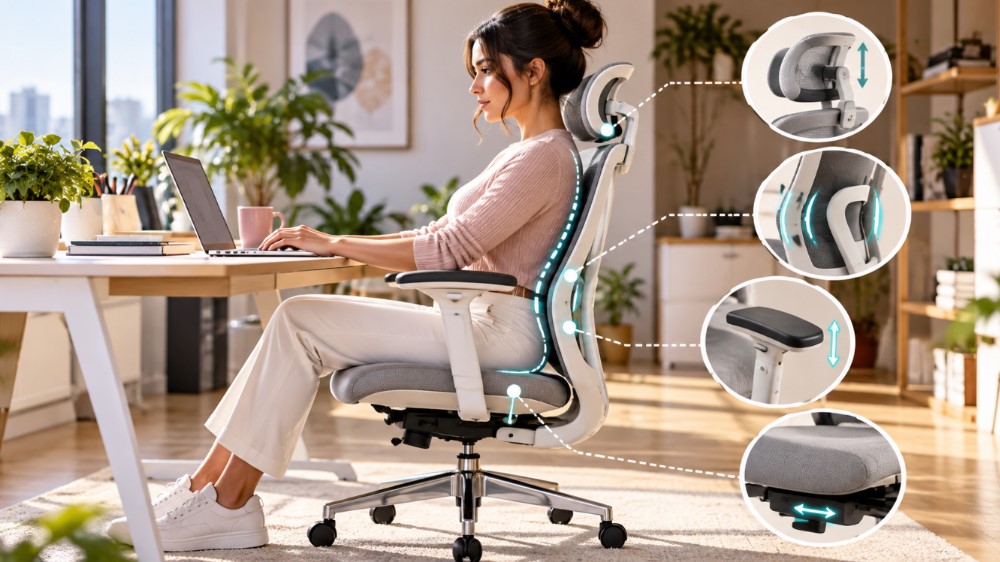
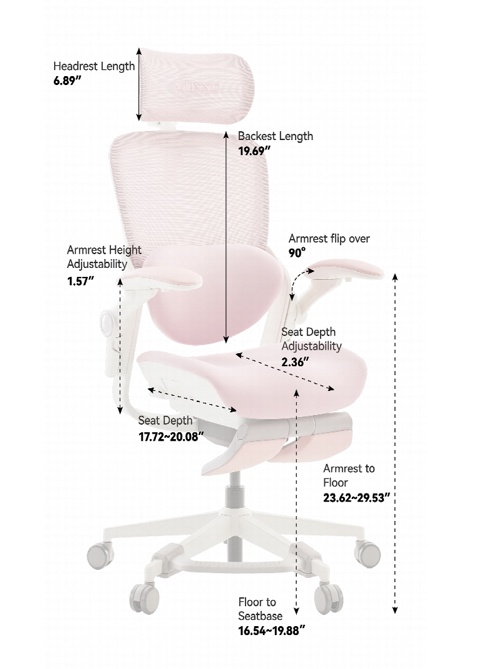
The MUSSO E80 Muse, a 2025 MUSE Design Awards Gold Winner, offers a seat-height range of approximately 16.5–19.9 inches (42–50.5 cm), providing greater flexibility for users with different leg lengths and helping users adjust the chair to achieve a more comfortable seated position.
2. Pay Attention to Seat Depth
Seat depth is one of the easiest ergonomic details to overlook.
A seat that is too short may not provide enough thigh support. A seat that is too deep can press against the back of the knees and make it difficult to sit far enough back to use the lumbar support properly.
OSHA recommends a seat pan that supports the thighs without contacting the back of the knees and notes that depth adjustment can help accommodate both shorter and taller users.
This is particularly important when shopping for a chair online. Don’t just look at the overall dimensions. Check whether the seat itself can be adjusted to accommodate your leg length.
A useful question to ask is: Can I sit all the way back against the backrest while keeping comfortable space behind my knees? If the answer is no, the chair may not be the right fit.
MUSSO E80 MUSEoffers 2.36 inches (6 cm) of seat-depth adjustment, allowing users to fine-tune the seat to better accommodate different leg lengths.
3. Look for Adjustable Lumbar Support
Lumbar support should not simply exist. It should be positioned where your lower back actually needs it.
According to OSHA, an appropriate backrest should support the natural curve of the lower back, and adjustable lumbar support can help users position that support correctly. This is one reason a highly adjustable chair can be more practical than a chair with a fixed backrest.
Your ideal position may also change throughout the day. You may sit upright while answering emails, lean back during a video call or recline while reading. A chair that allows the backrest and lumbar support to accommodate those changes gives you more flexibility than one fixed position.
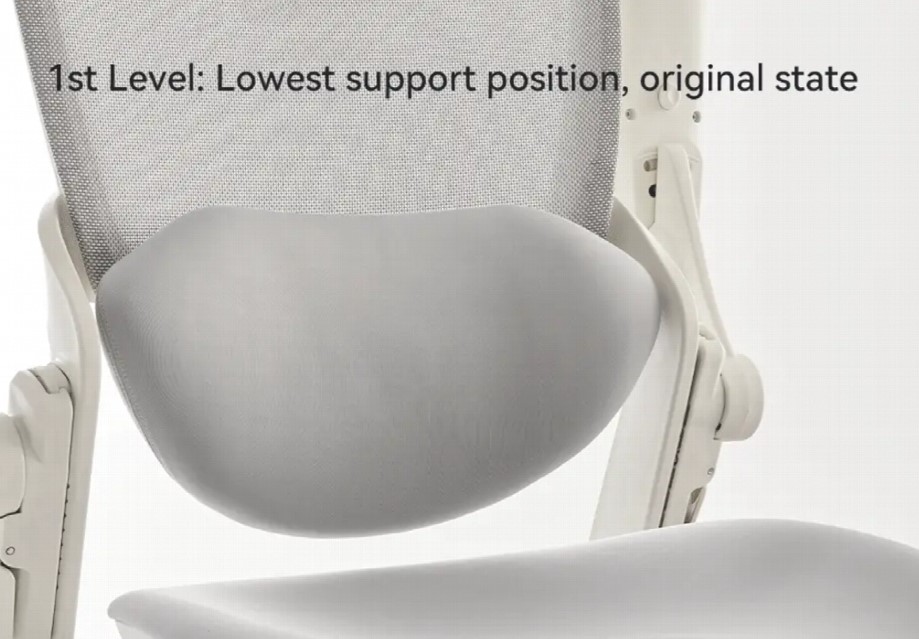
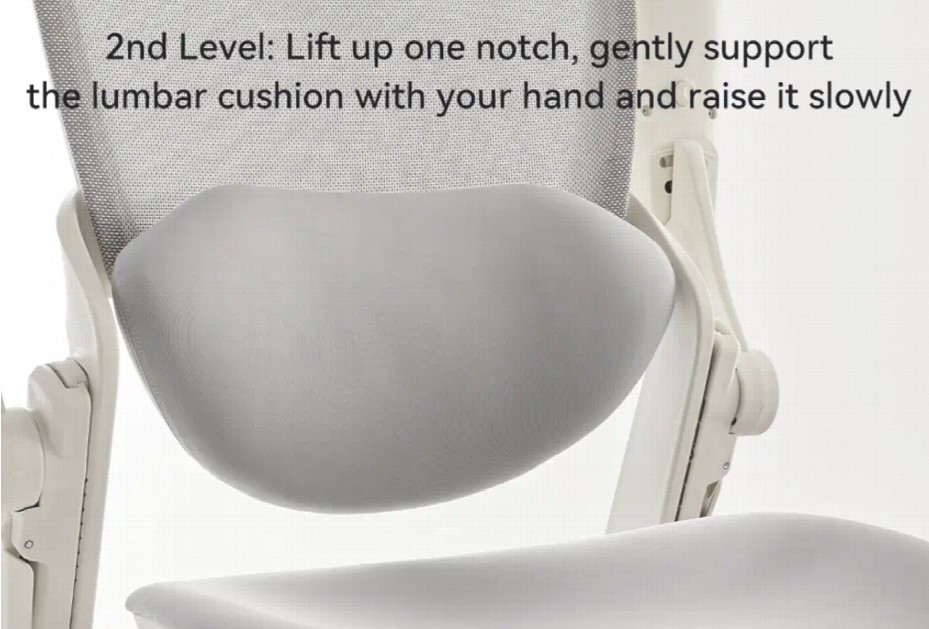
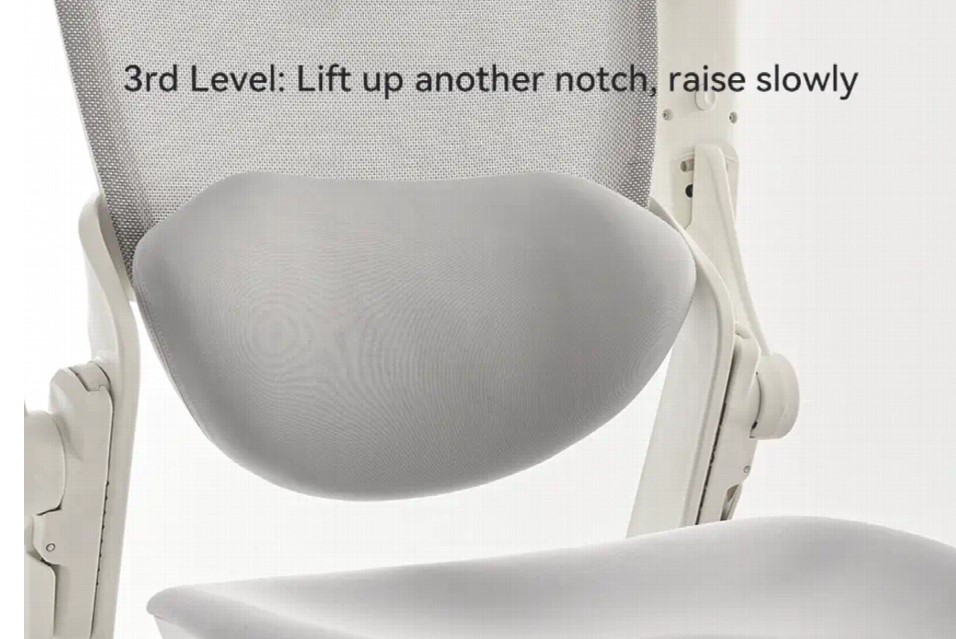
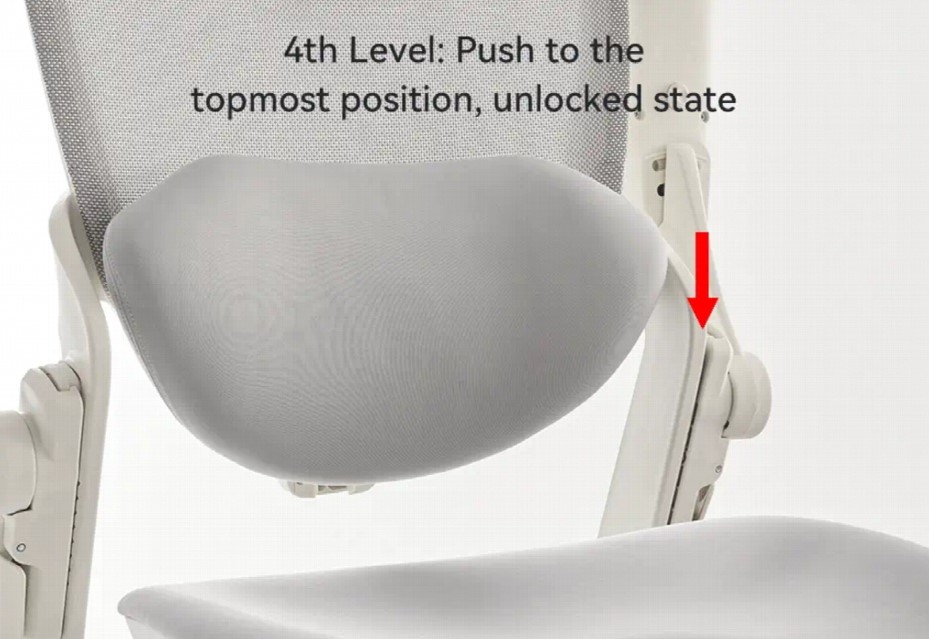
The E80 Muse features MUSSO’s ErgoHug wraparound lumbar support, with a 20° inward-curving design intended to create a stable, enveloping feel around the lower back.
4. Don’t Ignore the Armrests
Armrests can look like a minor feature, but their position can affect the way you sit at your desk.
OSHA recommends positioning armrests so they support the lower arms while allowing the shoulders to remain relaxed and the upper arms to stay close to the body. Armrests that are too high can encourage raised shoulders, while poorly positioned armrests can interfere with getting the chair close enough to the desk.
When testing a chair, sit as you normally would while typing.
Are your shoulders relaxed?
Are your elbows close to your body?
Can you get close enough to the desk without the armrests hitting it?
If not, an adjustable armrest may make a significant difference.
5. Consider Your Height and Body Proportions
Height is useful when comparing chairs, but it is only part of the picture.
Two people can have the same height and still have different proportions. Someone with longer legs and a shorter torso may have different seating requirements from someone with shorter legs and a longer torso.
This is why the term “ergonomic” should not automatically be interpreted as “fits everyone.”
For women, this can be particularly worth considering when a chair is designed around a broad range of users rather than specific body proportions. A chair with adjustable seat depth, seat height, lumbar support and armrests can provide more flexibility than one with fixed dimensions.
This is also where products designed with specific users in mind can offer an alternative to traditional one-size-fits-all office furniture. The point isn’t that one chair is right for every woman. Rather, it demonstrates a useful principle when shopping: look for furniture designed around the person who will actually use it.
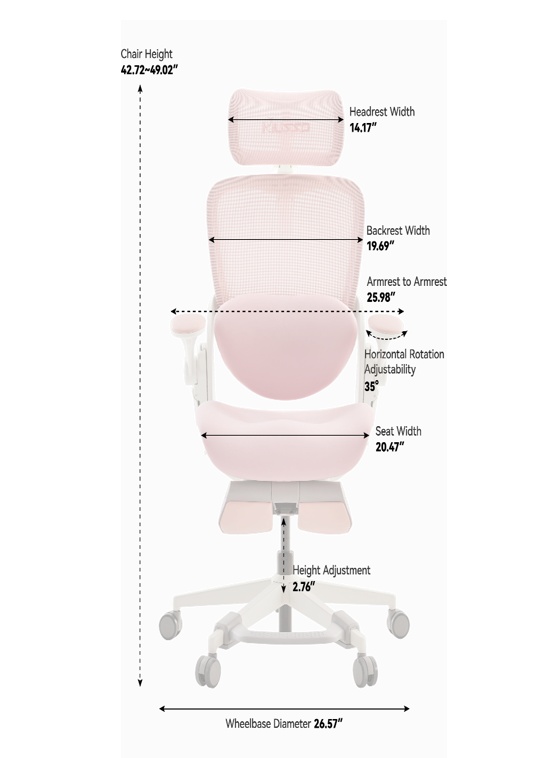
For example, the MUSSO E80 Muse was designed for users approximately 4’9” – 5’11” tall. It also includes adjustable armrests in 3 directions (up & down, flip-up, swivel), neck support and a built-in leg rest.
6. Don’t Choose a Chair Without Considering Your Desk
Even a well-designed office chair can become uncomfortable if it is paired with the wrong desk height.
OSHA recommends considering the chair, desk, monitor and keyboard together when setting up a workstation. Your desk should provide enough legroom, while the keyboard should allow your arms and shoulders to remain in a comfortable position.
For example, lowering your chair may help your feet reach the floor, but a desk that is too high could cause you to raise your shoulders while typing.
The goal is to make your chair and desk work together, rather than choosing either one in isolation.
7. Test the Adjustments, Not Just the Cushion
A chair can feel comfortable for five minutes and still be poorly suited to your daily work.
Before buying, test the adjustments that matter most: seat height, seat depth, lumbar support, armrests and backrest recline. Sit as you normally would while working and check whether you can maintain a comfortable position.
If you’re shopping online, pay close attention to the manufacturer’s measurements, adjustment ranges, recommended user height and return policy.
A Better Way to Shop for an Ergonomic Chair
Instead of asking, “What is the most ergonomic office chair?”, ask:
“What chair can I adjust to fit my body and my workspace?”
For women, particularly those with smaller frames, seat height and depth may be especially important, along with adjustable lumbar and arm support.
The same principle applies to the rest of the workspace. A desk should provide adequate legroom and work comfortably with the chair, keyboard and monitor. The goal is not to find a chair with the longest feature list, but one that gives you enough flexibility to create a setup that fits you.
The MUSSO E80 MUSE gives women users, including small frame women, a chance to adjust their chair in every way so that they can finally enjoy a setup engineered with their unique proportions in mind. It isn’t just an ergonomic chair—it’s your complete workspace partner designed for effortless comfort every day.
The Bottom Line
Choosing an ergonomic office chair is about more than counting features. It is about finding a chair that fits your body, proportions and everyday working habits.
For women, especially those with smaller frames, details such as seat height, seat depth, lumbar support and armrest positioning can make a noticeable difference. The key is to look beyond marketing claims and check the chair’s actual dimensions and adjustment ranges.
Lastly, the right ergonomic chair is not necessarily the one with the most features. It is the one that can be adjusted to fit you.



Top 10 Legacy Software Modernization Companies in 2026

Manikarnika Ghat in Varanasi: History, Cremation Rituals, Beliefs and Visitor Guide

How to Choose an Ergonomic Office Chair for Women That Actually Fits

Top Movies and TV Shows in the US: JustWatch September 2026 Streaming Charts

5 Best Indoor Air Quality & Mold Companies in Houston (2026)
-

 Celebrity1 month ago
Eileen Gu: Age, Parents, 2026 Olympics, Modeling Career, Height and Personal Life
-

 Tech1 month ago
18Moa – Website Directories, Online Discovery, and Safer Browsing
-

 Animals1 month ago
Understanding the American XL Bully Ban in the UK: Rules and Changes in 2026
-

 Tech2 months ago
WhatsApp Chat Theme Not Showing? How to Fix It