
Health
Pimple Scar Cream Explained: Ingredients, Use, and Results

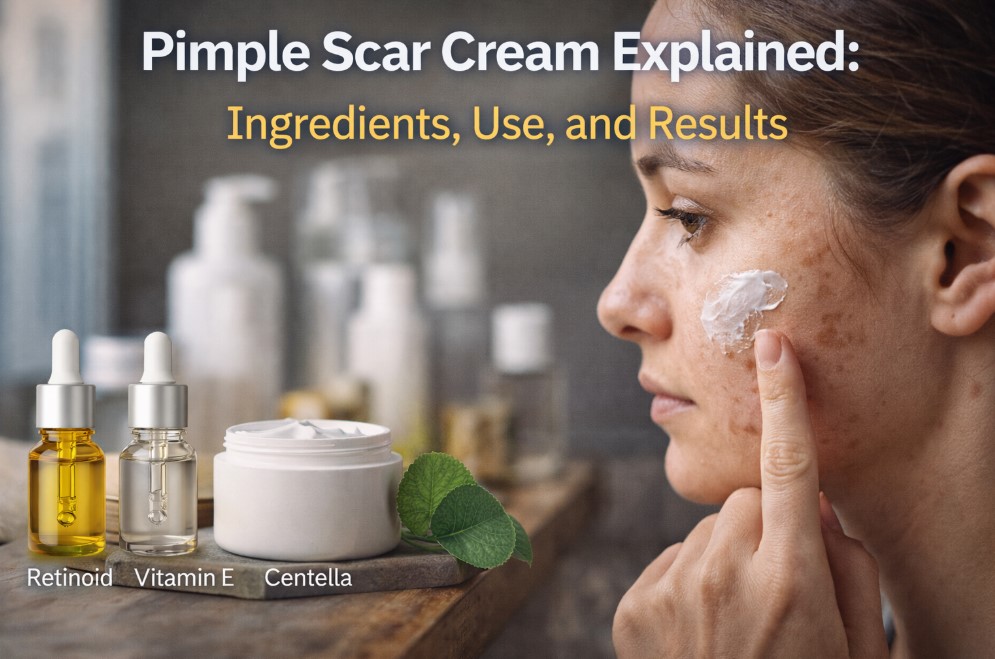
Scars are a natural part of how skin heals and renews itself over time. For many people, pimple scars remain after breakouts settle, reflecting recovery rather than damage. These marks are common and do not define skin health. Still, some individuals choose to support a smoother texture or a more even appearance as part of their skincare routine.
A pimple scar cream is designed for healed skin and works gradually, often supporting overnight repair, hydration, and surface refinement. With consistent use, such formulations may help soften scar tissue, nourish the skin, and encourage visible improvement in tone and texture. Results take time, patience, and care rather than instant change. Let’s understand how this process works.
What are Pimple Scars?
Pimple scars form after acne lesions heal, and the skin’s repair process leaves behind visible changes. They are different from active acne and require a different approach to care. One of the most common types is an atrophic scar, which appears as a shallow depression in the skin caused by collagen loss during healing. Rolling and box-type scars often fall into this category and affect skin texture rather than colour alone.
Some people also experience dark or reddish marks after acne clears. These are linked to inflammation and may fade gradually over time. A pimple scar cream focuses on improving the appearance of healed scars only and does not treat acne itself. This makes it important to address breakouts before beginning scar-focused care.
How Pimple Scars Form and Why They Persist?
Pimple scars develop when inflammation reaches deeper layers of the skin and disrupts normal collagen production. During healing, the skin may not rebuild evenly, leading to indentations or uneven texture. Deeper or repeated breakouts increase the likelihood of atrophic scarring.
Scars tend to persist because skin renewal is a slow and layered process. Once scar tissue settles, visible change happens gradually. A pimple scar cream supports this process by improving hydration, maintaining skin comfort, and encouraging surface-level refinement. It does not erase scars but helps them appear softer and less noticeable over time and with consistent use.
Key Ingredients in Pimple Scar Cream and Their Role
Scar-focused formulations rely on ingredients that support healed skin while remaining gentle enough for regular use.
- Onion Extracts That Help Improve Scar Texture: These are commonly used to help soften and smooth scar tissue, improving surface texture over time.
- Peptide-based Complexes: Peptides support skin renewal by encouraging natural repair processes, making them helpful for both newer and older scars.
- Collagen-supporting Components: Ingredients that reinforce collagen structure can improve flexibility and reduce the look of uneven texture.
- Antioxidants: These protect the skin from daily environmental stress and support overnight renewal, helping scars appear less prominent.
- Lightweight Conditioning Agents: Non-greasy textures absorb easily and are suitable for sensitive skin, making overnight use more comfortable.
How to Use Pimple Scar Cream Effectively?
Correct application supports gradual improvement while maintaining skin comfort.
- Apply Only on Healed Skin: Scar creams are not intended for active acne, open wounds, or inflamed areas.
- Cleanse Before Application: Applying to clean, dry skin helps active ingredients work evenly.
- Use a Thin, Even Layer: A small amount spread gently across the scarred area is sufficient.
- Massage Lightly: Gentle circular motion supports absorption without irritating sensitive skin.
- Prefer Overnight Use When Advised: Many formulations are designed to support skin repair while you sleep, aligning with the skin’s natural renewal cycle.
Consistency over several weeks matters more than frequent application.
Expected Timeline: What Improvements to Look For?
Scar care requires realistic expectations. In the first few weeks, improved hydration and comfort are often noticeable. Skin may feel softer, and dryness around scarred areas may reduce. Over several weeks to months, gradual changes in texture and tone can become visible.
Older scars may respond more slowly, but improvement is still possible with patience. A pimple scar cream supports steady progress rather than immediate transformation, which is why long-term use is often recommended.
Common Mistakes That Can Limit Results
Certain habits can reduce the effectiveness of scar care routines.
-
Expecting Instant Results
Scar care supports gradual skin improvement rather than immediate change. While overnight renewal helps maintain hydration and comfort, visible improvements in texture and tone develop slowly with consistent use over several weeks.
-
Using on Active Acne
Scar creams are designed for healed skin only. Applying them to active pimples or inflamed areas may increase irritation and can interfere with the natural healing process of breakouts.
-
Overapplying Product
Using more product than recommended does not accelerate results. Excess application can increase skin sensitivity and reduce overall comfort, especially in already delicate areas.
-
Stopping Too Early
Scar improvement depends on sustained care. Changes in texture and tone, particularly in older scars, require ongoing use. Discontinuing too soon often prevents noticeable progress from developing fully.
Avoiding these mistakes helps support consistent progress.
Tips for Supporting Skin Health Alongside Cream
Scar creams work best when paired with gentle skincare habits.
- Use Daily Sun Protection: Sunscreen with SPF helps prevent scars from darkening and supports tone improvement.
- Maintain Consistent Hydration: Well-moisturised skin often responds better to scar-focused care.
- Avoid Harsh Exfoliation: Aggressive treatments can irritate scarred areas and delay progress.
- Keep Routines Simple and Steady: Consistency supports skin balance without unnecessary stress. If you’re also dealing with stretch marks, pairing your pimple scar cream with stretch mark scar cream can effectively target both concerns. This will help address stretch marks while maintaining your overall scar care routine.
These habits complement scar care without placing pressure on appearance.
Supporting Scar Care with Patience and Consistency
Scars are a natural part of the skin’s journey and never something that needs correction. Choosing to use a pimple scar cream is a personal decision, guided by comfort, patience, and realistic expectations. With consistent use and gentle care, scar-focused formulations can help improve texture, balance tone, and overall skin comfort over time.
Many brands like Mederma focus on clinically proven scar care that supports visible improvement over time, helping users achieve smoother, healthier-looking skin with consistent use. When paired with sun protection and a simple routine, scar care can fit naturally into everyday skincare, supporting skin health while respecting individuality, confidence, and the fact that every scar tells a story of healing.



Choosing Estal: When Standard Glass Actually Helps Your Brand

Large Format Kitchen Tiles: Redefining Space and Visual Continuity

The Full Breakdown: What International Travel Insurance Covers in Medical Emergencies?

What Exactly Happens After a Peace Bond Expiration?

What is PuzuTask Com? A Complete Guide for Beginners
-

 Tech2 months ago
Why OMS Testing Determines E-commerce Reliability
-

 Tech2 months ago
Aikido vs Wiz vs Snyk vs Checkmarx: DevSecOps Platforms
-

 Home Improvement2 months ago
Don’t Buy a Flop: A Buyer’s Checklist for High-Quality Pop-Up Tent Frames and Mechanisms
-

 Food2 months ago
How Brown Sugar is Made: Ingredients, Process, and Uses