
Programming
SSIS 469: Common Causes and Troubleshooting Guide

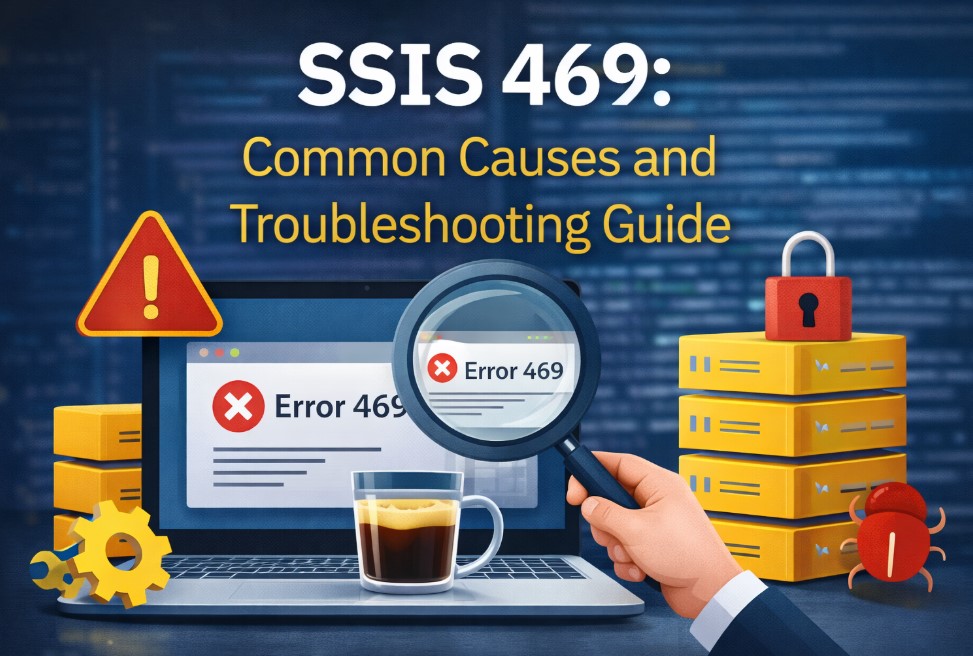
SQL Server Integration Services is widely used for data integration, transformation, and migration tasks. It allows developers to build ETL workflows that extract data from different sources, transform it, and load it into target systems. While SSIS is powerful, it can produce error messages that interrupt package execution. One such issue is SSIS 469. Understanding what this error means and how to resolve it is important for maintaining stable data pipelines.
This guide explains common causes, troubleshooting steps, and best practices for preventing similar issues. The content is written in simple language and focuses on practical solutions.
Understanding the Error
Error codes in SSIS usually indicate a configuration problem, connection issue, permission restriction, or metadata mismatch. Error 469 often appears during package execution when the system fails to access required resources or encounters invalid settings.
The error message may vary slightly depending on the context, but it typically involves:
- Connection failures
- Permission restrictions
- Invalid object references
- Configuration conflicts
To resolve the issue, you must analyze the exact error description in the execution log.
Common Causes
Below are the most frequent reasons this issue occurs.
Connection Manager Problems
Incorrect connection strings or expired credentials are common triggers. If the package cannot authenticate with the database or file system, execution fails.
Possible connection-related causes:
- Wrong server name
- Incorrect database name
- Invalid username or password
- Firewall blocking access
- Network interruption
Permission Issues
SSIS packages often run under specific service accounts. If the account does not have sufficient rights, execution can fail.
Examples of permission problems:
- No read access to source files
- No write access to destination tables
- Insufficient SQL Server privileges
- Missing folder permissions
Metadata Mismatch
Metadata errors happen when the structure of the source data changes but the package still expects the old structure.
Common scenarios include:
- Column name changes
- Data type modifications
- Removed fields
- Additional columns not mapped
Configuration File Errors
Packages may rely on external configuration files or environment variables. If these are missing or incorrectly defined, execution can fail.
Deployment Differences
Packages that work in development may fail in production due to:
- Different server names
- Changed database schemas
- Missing drivers
- Version differences between SQL Server instances
Troubleshooting Steps
Follow a structured approach when diagnosing the issue.
Step 1: Review the Full Error Message
Open SQL Server Management Studio and check the detailed execution log. Look for specific information such as:
- Component name
- Line number
- Object reference
- Additional inner exceptions
The detailed message usually provides the exact cause.
Step 2: Validate Connections
Open the package in SQL Server Data Tools and test all connection managers.
Checklist:
- Click “Test Connection” for each connection manager
- Confirm correct credentials
- Ensure target database exists
- Verify network connectivity
Step 3: Check Service Account Permissions
Determine which account runs the package. This could be:
- SQL Server Agent account
- Windows service account
- Proxy account
Ensure this account has:
- Read and write permissions to required folders
- Database access rights
- Permission to execute stored procedures
Step 4: Verify Source and Destination Metadata
If the package references tables or files that changed, update the mappings.
Steps:
- Refresh metadata in source components
- Re-map columns
- Confirm data types match
- Rebuild affected transformations
Step 5: Validate Configuration Files
If environment variables or configuration files are used:
- Confirm file paths are correct
- Ensure values are updated
- Verify no missing entries
Step 6: Check SQL Server Version Compatibility
If the package was created in a newer version and deployed to an older server, compatibility issues may occur. Confirm that both development and production environments use compatible versions.
| Problem Area | Symptoms | Action Required |
| Connection Failure | Cannot connect to database | Verify credentials and network access |
| Permission Issue | Access denied error | Grant required folder or DB permissions |
| Metadata Mismatch | Column mapping errors | Refresh metadata and remap columns |
| Configuration Error | Missing variable or path | Validate config files and parameters |
| Deployment Conflict | Works in dev but fails in prod | Compare server settings and drivers |
Best Practices to Prevent Recurrence
Prevention is more efficient than repeated troubleshooting. Consider implementing these practices.
Use Parameterized Connections
Instead of hardcoding server names and credentials, use parameters or environment variables. This allows easy updates across environments.
Implement Logging
Enable detailed logging within the package. Logs help identify the exact component where execution fails.
Validate Before Deployment
Always test packages in a staging environment that mirrors production settings.
Control Metadata Changes
Coordinate with database administrators before schema changes. Update packages immediately when structures change.
Maintain Documentation
Document:
- Data sources
- Destination tables
- Service accounts
- Configuration files
Clear documentation reduces confusion during troubleshooting.
Automate Testing
Automated testing tools can validate package execution after deployment. This reduces the risk of undetected failures.
Security Considerations
Security configuration often causes execution issues. Follow these guidelines:
- Avoid using personal user accounts for scheduled jobs
- Use dedicated service accounts
- Apply least-privilege access principles
- Regularly review account permissions
When permissions are managed correctly, many execution errors can be avoided.
When to Rebuild the Package
Sometimes repairing small components is not enough. Consider rebuilding if:
- Multiple components show corruption
- Metadata inconsistencies persist
- Deployment conflicts cannot be resolved
Rebuilding from scratch may be faster than fixing complex configuration conflicts.
Monitoring After Fixing the Issue
After resolving the problem, monitor package execution for several cycles.
Actions to take:
- Check job history daily
- Review logs for warnings
- Confirm data loads are complete
- Validate record counts
Continuous monitoring ensures that the fix is stable.
Understanding Production Differences
Development and production servers may differ in:
- Installed drivers
- Security policies
- File paths
- Network restrictions
Before deployment, confirm:
- Same SQL Server version
- Same OLE DB or ADO.NET providers
- Identical folder structures
Consistency reduces unexpected failures.
Performance Considerations
Although this guide focuses on error resolution, performance optimization is also important.
Improve performance by:
- Using appropriate data types
- Reducing unnecessary transformations
- Optimizing queries
- Implementing indexing on destination tables
Efficient packages are less likely to encounter runtime issues.
Conclusion
SSIS 469 typically indicates configuration, connection, or permission issues during package execution. By reviewing detailed logs, validating connections, checking permissions, and ensuring metadata consistency, most issues can be resolved quickly.
A structured troubleshooting process reduces downtime and prevents repeated errors. Implementing best practices such as parameterization, logging, environment validation, and documentation helps maintain stable data workflows.
Regular testing and monitoring ensure that data integration tasks continue to operate reliably across development and production environments.



Choosing Estal: When Standard Glass Actually Helps Your Brand

Large Format Kitchen Tiles: Redefining Space and Visual Continuity

The Full Breakdown: What International Travel Insurance Covers in Medical Emergencies?

What Exactly Happens After a Peace Bond Expiration?

What is PuzuTask Com? A Complete Guide for Beginners
-
 Tech2 months ago
Why OMS Testing Determines E-commerce Reliability
-

 Tech2 months ago
Aikido vs Wiz vs Snyk vs Checkmarx: DevSecOps Platforms
-

 Home Improvement2 months ago
Don’t Buy a Flop: A Buyer’s Checklist for High-Quality Pop-Up Tent Frames and Mechanisms
-
 Food2 months ago
How Brown Sugar is Made: Ingredients, Process, and Uses