
Home Improvement
2 Simple Reasons Why a Load-Bearing Soil Test is Essential

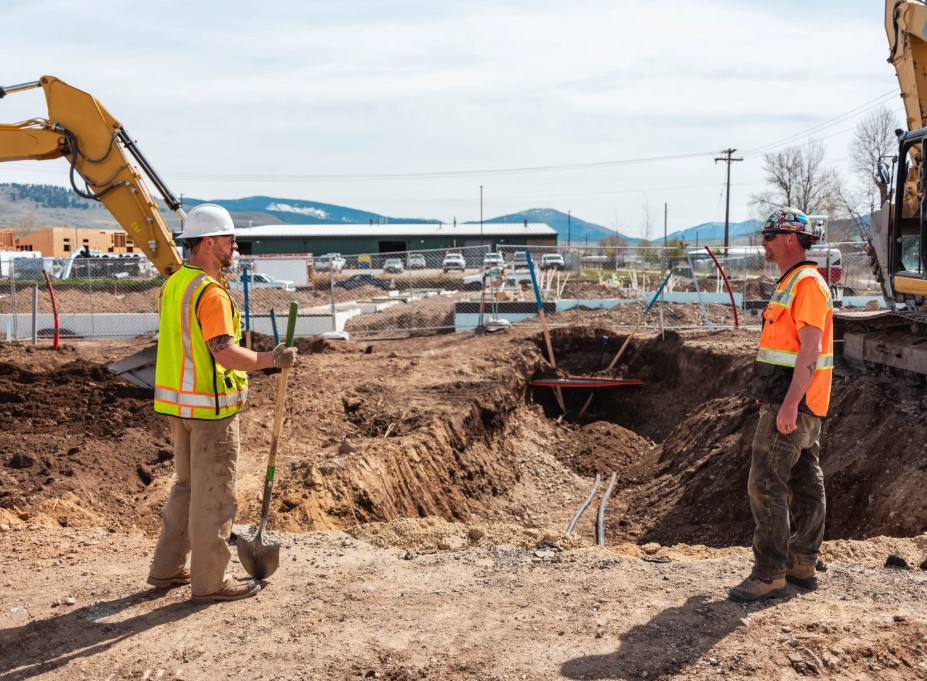
Getting ready to embark on a new construction project should always begin with assessing the soil beneath the intended build. This is because Australia boasts some of the more diverse and complex soil types. This can range from the shifting sands found in Queensland to the reactive clays that make up Western Sydney.
These varying soil types can significantly affect the safety and durability of even the smallest structure. It’s with this in mind that Australian building codes dictate that all potential builds must first pass the soil testing Melbourne engineers recommend before a building permit can be issued. This process involves the more common load-bearing capacity test.
Understanding Soil Bearing Capacity in the Australian Landscape
First-time property owners might not be aware of the necessity for performing soil tests to establish the soil bearing capacity of the ground beneath their intended build. Performed as a specialised soil test, assessing the soil bearing capacity refers to the maximum pressure or load that the ground under the structure can hold in normal and extreme weather conditions.
For the most part, the bearing capacity of soil is measured in pounds per square foot and kilopascals. Assessing how much weight the ground can withstand is crucial in the structural design process. Results from these assessments are crucial for engineers to establish which building materials and techniques should be used to build the safest and most sturdy foundations, buildings, pavements, and roads.
When the soil under a specific building lacks the structural capacity to push back with equal force, the ground compresses unevenly. When this This leads to differential settlement, where one part of a building sinks faster than another.
The results are structurally devastating, manifesting as the following:
- Warped door frames
- Ruptured utility pipelines
- Severe masonry cracking
In more extreme scenarios, a poor foundation can lead to total structural collapse. This catastrophic process may happen faster if the area is exposed to extreme weather conditions such as excessive rain, flooding, earthquakes, or soil erosion.
Testing is About More than Passing the Red Tape
While it’s true that the required soil testing needs to be done before a permit is issued, experts agree that this shouldn’t be the sole driving force to have the assessments done. There are several other good reasons why load-bearing capacity testing is an essential first step for any new build. Here’s what you need to know.
1. Mitigates Potential Financial Catastrophe Down the Line
Property development is a hugely costly endeavour. Whether you’re getting ready to build a multi-story commercial hub or a spacious home in the suburbs, chances are it’s going to cost a significant penny. With this in mind, it’s not uncommon to find property owners who are constantly looking for ways to cut corners and save costs.
Doing this can have catastrophic consequences down the line. For instance, a foundation that is designed blindly on an untested site can cause a building to be structurally unsafe. Areas where the soil is less than perfect may require additional countermeasures such as underpinning when the building starts sinking. This process can cost hundreds of thousands of dollars to rectify down the line.
Performing the right testing tells engineers upfront what to expect. This allows for the right materials and building techniques to be used upfront, saving money and potential future legal issues. Building surveyors can also face severe litigation, substantial fines, and the permanent revocation of their professional licenses if they don’t perform the prescribed soil tests.
2. Allows for Efficient Foundation Design
Performing the relevant load-bearing soil test is also a powerful tool to enhance the overall cost-efficiency of the project. Assessing the precise load-bearing capacity of the surrounding soil enables engineers to choose the most affordable, durable, and sustainable foundation designs. This will ensure that foundations are perfectly optimised for the building site’s specific soil characteristics.
In these instances, engineers might deem it necessary to include remedial measures to strengthen the foundation. This can involve adding support or specialised concrete to the foundation. Engineers will also use these tests to reduce wastage that stems from unnecessary materials and techniques. Some of these include the following:
- Reduce excessive concrete volumes
- Eliminate redundant steel reinforcement
- Remove unnecessary deep-piling systems
All these measures are designed to save time and money. Eliminating material wastage also goes a long way toward streamlining the construction timeline and reducing the carbon footprint created by the average building process.
Final Thoughts
Australia has a significantly competitive building landscape, where developers are constantly competing for access to the best soil spaces. To establish where the best spots are, geotechnical engineers perform a series of tests and assessments, which always involves a load-bearing capacity test.
The data gathered from a professional load-bearing soil test ensures that your building project starts with accurate and scientifically verified data. This is also the most effective way to bridge the gap between your architectural vision and the reality under the ground. These tests enable an engineering team to design and plan the safest and most durable structures!



Eileen Gu: Age, Parents, 2026 Olympics, Modeling Career, Height and Personal Life

18Moa – Website Directories, Online Discovery, and Safer Browsing

Understanding the American XL Bully Ban in the UK: Rules and Changes in 2026

Best UI/UX Design Agencies for Enterprise Products in 2026

Broken Keyboard Grok Answer: How to Understand and Solve the Coding Problem
-
 Celebrity3 weeks ago
Eileen Gu: Age, Parents, 2026 Olympics, Modeling Career, Height and Personal Life
-
 Tech3 weeks ago
18Moa – Website Directories, Online Discovery, and Safer Browsing
-
 Animals3 weeks ago
Understanding the American XL Bully Ban in the UK: Rules and Changes in 2026
-

 Finance2 months ago
Loan Officer’s Guide: How to Calculate Self-Employed Income?