
Reviews
BrumeBlog.com Review: What the Multi-Topic Magazine Covers
Read this BrumeBlog.com review to learn what the multi-topic magazine covers, who it may suit, and how to assess its articles responsibly.

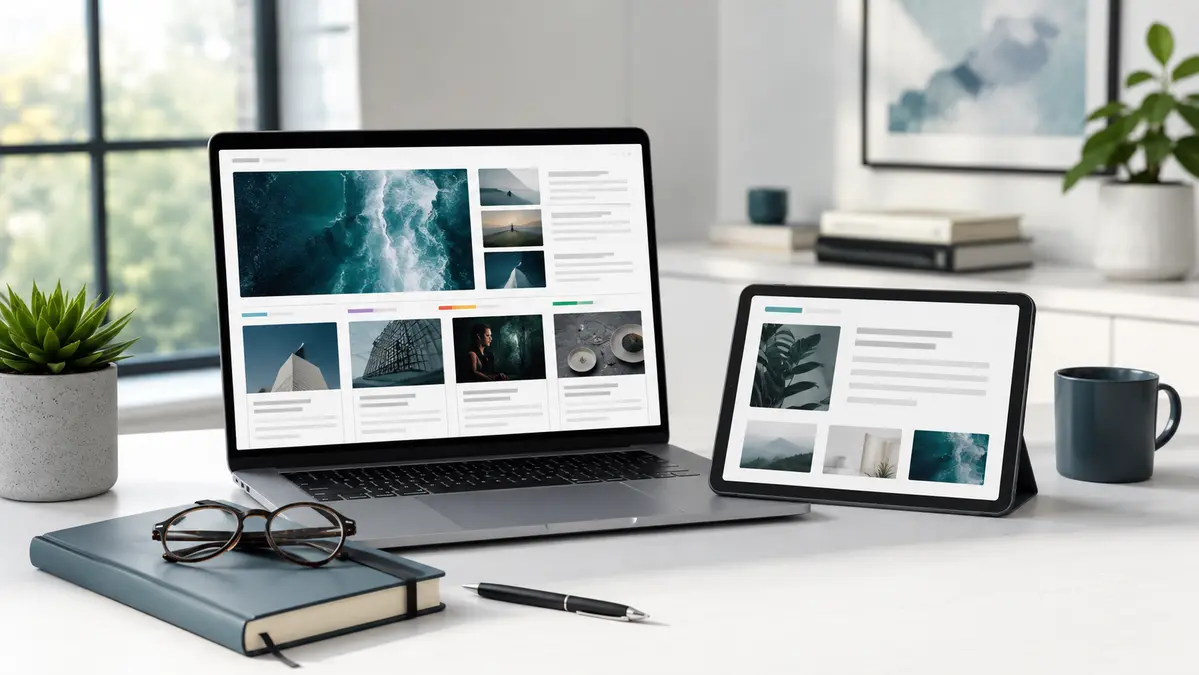
BrumeBlog.com is a general-interest website that publishes articles across several everyday subjects. Its visible category pages and archived posts show coverage of technology, business, finance, education, entertainment, lifestyle, sports, and related topics. That broad scope is the main reason people search for the site: one visit can lead to articles that serve different interests.
This review explains what readers can reasonably expect from the publication, how to use a broad-topic blog effectively, and what checks matter before acting on information found online. It is based on the public-facing site and its available archive, not on private analytics, ownership claims, or unverified third-party statements.
Quick answer
Brume Blog is a free-to-read, multi-category online magazine. It is best approached as a place to discover general articles and ideas across different subjects. The site is not a substitute for professional advice in areas such as health, law, investments, taxes, or personal finance. For those subjects, use the article as a starting point and confirm important details with qualified sources.
What is BrumeBlog.com?
The website presents itself as a magazine-style blog rather than a specialist publication. Its public description says it offers content across fashion, lifestyle, entertainment, technology, business, sports, and other topics. The archive supports that general format: readers can move between practical guides, trend-focused articles, education-related posts, and digital-interest stories without leaving the same publication.
A wide editorial model can be useful for readers who do not want a separate bookmark for every subject. Someone may arrive through a technology article and then browse a lifestyle or business piece. At the same time, variety means that the depth of expertise can differ from one article to another. A beginner guide and a decision that affects money or health should not be treated in the same way.
Topics readers may find
Public category pages and post listings show a mixture of subjects. The exact mix can change as new material is added, but the format can be understood through the following areas.
| Area | What readers may look for | How to use it |
|---|---|---|
| Technology | Digital tools, apps, online trends, and explainers | Use it for orientation, then check current product documentation before buying or installing. |
| Business and finance | General business ideas, trading-app discussions, and online tools | Confirm current rules, prices, and risk details with primary sources. |
| Lifestyle and entertainment | Everyday ideas, culture, trends, and lighter reading | Browse for ideas and compare recommendations with your own needs. |
| Education and guides | Explainers, study-related material, and how-to content | Use clear steps as a starting point and look for dates or updates. |
| Sports and general interest | Accessible articles for casual readers | Check official schedules, results, and announcements when accuracy depends on time. |
This structure is familiar to readers of broader publishing sites. Shifted Magazine also covers more than one area, from technology and privacy guides to entertainment and general-interest explainers. The practical difference is that a reader should always judge the individual article, not only the name of the website hosting it.
How the reading experience is organized
The site uses a standard blog and magazine layout. Posts are listed with titles, dates, categories, and estimated reading times. Category navigation and popular-post sections help visitors move beyond the first page. This is useful on a large mixed-topic site because the home page alone cannot show every subject a reader might want.
Readers usually get the most value by starting with a clear intent. Search the topic, open the article, then review the publication date, author information where available, and links or references. Avoid reading only the headline. A strong headline can point to a useful subject, but it does not show whether the piece is recent, well-supported, or relevant to a specific decision.
- Use category pages when you want to stay within one subject.
- Open recent posts when the subject involves fast-changing tools or news.
- Read the full article before sharing a claim on social media.
- Check the date before using advice about products, software, prices, or regulations.
- Follow links to original sources when the topic could affect your money, safety, or health.

Who may find the magazine useful?
A broad online publication is usually most useful for people who enjoy exploring more than one subject in a single place. It can suit casual readers, students looking for simple introductions, bloggers looking for topic ideas, and people who want accessible articles during short reading sessions.
It can also help readers identify terms they want to research more deeply. For example, a general article about a platform or digital trend can help a newcomer understand the basic language before they open official documentation or a specialist guide. This approach is similar to using a practical overview such as our Apex Legends guide before moving to official game updates and support pages.
However, a broad publication may not be the best final source for every task. A person choosing a medical treatment needs a licensed clinician. A person making an investment needs current, regulated information and should understand the risks. A legal question needs a qualified professional or the relevant official authority. General blogs can explain a subject, but they should not be used to replace specialist advice.
Strengths of a multi-topic blog
The main value of this type of platform is convenience. Readers can browse a range of subjects without having to learn a complex technical interface or subscribe to several separate sites. It also makes discovery easier. A visitor who came for an education article may find a useful technology guide, or someone reading about lifestyle trends may find an introduction to a business topic.
Another benefit is straightforward language. General-audience publications commonly aim for short paragraphs, headings, and clear explanations. That can lower the barrier for people who are new to a subject. A reader does not need specialist knowledge to understand the main point of an introductory article.
There are several practical advantages:
- Multiple interests can be explored on one site.
- Simple articles can make unfamiliar topics easier to approach.
- Category pages and post archives support browsing.
- Free access makes it easy to sample articles before deciding whether they are useful.
- General pieces can provide useful vocabulary for more detailed research.
Limits to keep in mind
The same broad scope that makes a magazine convenient can also create limits. No general publication can provide the same depth in every category as a dedicated research outlet, an official service, or a recognized specialist publication. Readers should not assume that an article is current simply because it is easy to find in a search result.
Older archive pages can remain online for years. That is normal for blogs, but it matters when facts change. Software features, app prices, product availability, government rules, and public figures can all change after an article is published. The date is therefore part of the content, not a small detail to skip.
It is also important to separate opinion, explanation, and evidence. A helpful opinion piece can offer perspective, while a guide can describe steps. Neither automatically proves a claim. Look for specific sources when an article makes a factual statement that matters to your next action.
Readers should also notice whether a post clearly distinguishes between information that is confirmed and information that is only suggested. Good reading habits include asking who made the claim, when it was made, and whether a source can be opened and checked. If an article lists a product, service, or platform, open the official website before assuming its features, terms, or availability are unchanged. This takes only a few extra minutes and can prevent decisions based on outdated pages.
How to evaluate a BrumeBlog.com article
A careful review does not require specialist tools. A short process can help readers decide whether to continue researching, save the article for later, or use a different source. This process works for general sites, social posts, videos, and search results as well.
- Check the publication date. Ask whether the subject can change quickly. A 2023 article about an app, a market, or a digital platform may need an updated source.
- Identify the article type. Is it a guide, a review, a news update, or an opinion? Each type should be judged differently.
- Look for evidence. Reliable factual claims should point to official information, data, quoted experts, or original reporting where appropriate.
- Compare important points. Use at least one independent and current source before acting on high-stakes information.
- Check the purpose. Notice affiliate links, sponsored material, or promotional language. A commercial relationship does not automatically make content wrong, but it gives helpful context.
- Use professional advice when needed. Do not make health, legal, or financial decisions solely from a general blog post.

Is BrumeBlog.com safe to visit?
“Safe” can mean different things online. A reader may mean whether the site can be opened normally, whether the content is suitable, whether links lead to reliable destinations, or whether the information is dependable. These are different questions, and they need different checks.
From a reader’s side, use normal web safety habits on any unfamiliar publication. Keep your browser updated, do not download unknown files, and do not enter passwords, payment details, or personal information unless you clearly understand why it is being requested and trust the service involved. Be especially cautious with pop-ups, offers that promise guaranteed results, or pages that ask for data unrelated to the article you are reading.
For information quality, use the evaluation steps above. A site can load safely and still contain old information. Conversely, an article can be useful without being the final source for a major decision. These distinctions make online reading more practical and reduce avoidable mistakes.
How it compares with specialist websites
A specialist site usually focuses on one subject and often has more detailed terminology, original testing, or professional contributors in that area. A broad magazine focuses on accessibility and variety. Neither model is automatically better; the best choice depends on the reader’s goal.
| Reader need | General magazine | Specialist source |
|---|---|---|
| Quick introduction | Often a good starting point | May be more detailed than needed |
| Exploring several interests | Useful because of varied categories | Usually limited to one field |
| Time-sensitive facts | Check date and confirm elsewhere | Use current official or leading specialist sources |
| Medical, legal, or investment decision | Background only | Use qualified professional or authoritative guidance |
| In-depth technical work | May provide an overview | Usually the better next step |
For example, a listener who wants an overview of a public interviewer may start with a plain-language profile such as our guide to Shawn Ryan’s podcast. To judge a specific interview, though, the most useful source is the original episode and its published context. The same principle applies to any subject found through a general magazine.
Tips for getting more value from the site
Readers can make broad-topic blogs more useful by treating them as part of a simple research routine rather than as the only source. Save articles that introduce a subject clearly, note the keywords used in the article, and then search for current primary information. This is fast and works well on a phone or computer.
- Bookmark category pages that match your interests.
- Use search terms from useful articles to find primary sources.
- Review the date before sharing, especially for product or finance topics.
- Compare claims with current official documentation.
- Keep general inspiration separate from decisions that need professional advice.
Final review
BrumeBlog.com is best understood as a multi-topic online magazine for accessible general reading. Its public content and category structure make it suitable for readers who enjoy moving between technology, lifestyle, education, business, entertainment, and other broad subjects. The site can be a useful starting point for discovery and simple explainers.
The most responsible way to use it is to match the source to the decision. Read general articles for context, ideas, and introductory guidance. Then verify time-sensitive or high-stakes details through official, current, or specialist sources. That approach allows readers to benefit from varied online magazines while keeping accuracy and safety in view.
Editorial note: This article reviews publicly available information about BrumeBlog.com as of August 2026. Site content, categories, and features can change over time.



Eileen Gu: Age, Parents, 2026 Olympics, Modeling Career, Height and Personal Life

18Moa – Website Directories, Online Discovery, and Safer Browsing

Understanding the American XL Bully Ban in the UK: Rules and Changes in 2026

Best UI/UX Design Agencies for Enterprise Products in 2026

Broken Keyboard Grok Answer: How to Understand and Solve the Coding Problem
-
 Celebrity3 weeks ago
Eileen Gu: Age, Parents, 2026 Olympics, Modeling Career, Height and Personal Life
-
 Tech3 weeks ago
18Moa – Website Directories, Online Discovery, and Safer Browsing
-
 Animals3 weeks ago
Understanding the American XL Bully Ban in the UK: Rules and Changes in 2026
-

 Finance2 months ago
Loan Officer’s Guide: How to Calculate Self-Employed Income?