
Home Improvement
3 Factors that Highlight Why Movable Walls are a Must-Have in Every Australian Art Gallery

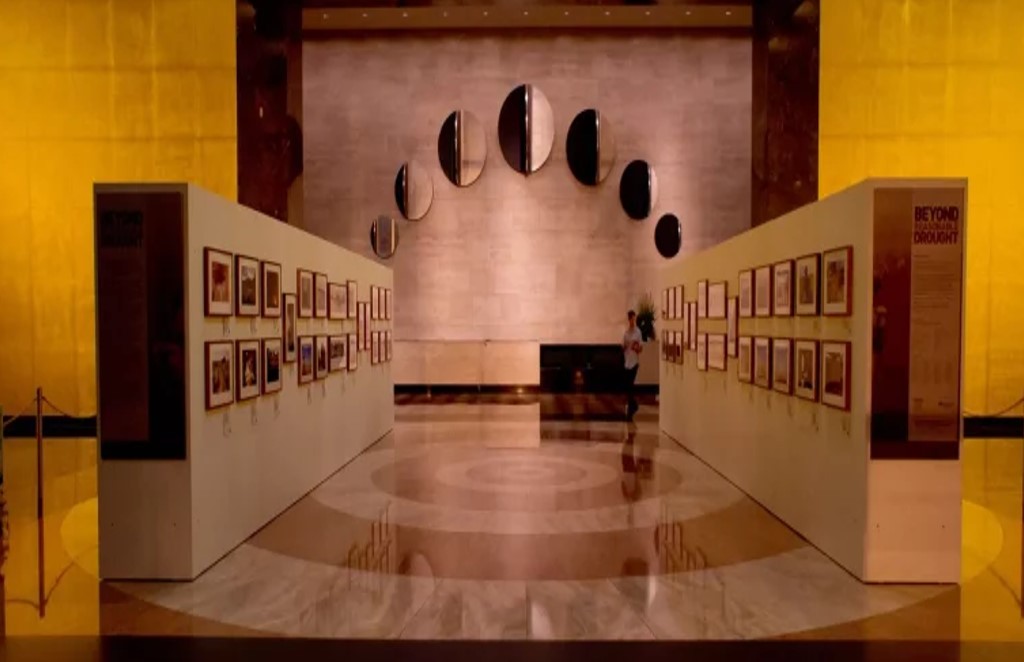
It’s no secret that modern Australian art galleries are undergoing a radical shift in the way they look and operate. Whether you’re running a contemporary art space in a Sydney laneway or a regional hub in bustling Victoria, galleries and display areas are no longer a simple, quiet repository for static frames.
Modern art galleries are transforming into live event spaces that are not only educational but also encompass a whole new digital canvas. In many instances, traditional wall space simply isn’t enough. With this in mind, curators are opting for modern modular gallery walls that make it easier than ever to keep up with the hyper-fluid nature of art in all its forms.
What are Modular Gallery Walls?
Modern modular wall systems are typically defined as temporary walls made of several interlocking panels, which are assembled to create varying customisable exhibition spaces. In addition to being flexible enough to move around, these walls are easy to install.
Furthermore, wall sections can be painted before assembly to complement your gallery design. AV and power cabling can be run through each panel to allow for digital displays and exhibits. Walls can be made in corner or Tee sections and often boast a maximum component weight of about 50 kg and usually stand about 2.4m high. This makes the panels sturdy and stable once assembled.
Modern modular wall systems can be used for the following purposes:
- Room creation or partitioning
- Picture hanging
- AV presentations
- Attachments of screens and monitors
- Cable routing for digital displays or lighting
Modular walls can easily be installed in galleries, art exhibition centres, stalls and trade shows. They’re ideal for both short- and long-term pop-up stalls, exhibitions, and trade shows.
Redefining Space Has Never Been Simpler.
Are you looking for the most effective way to increase the amount of artwork on display? Or do you simply want to modernise your gallery to meet the demands of an ever-changing art landscape? If so, it’s essential to know that the answer doesn’t lie in creating more rooms or building additional walls.
This is because creating larger footprints isn’t sustainable. Rather, the answer lies in creating smarter solutions. With this in mind, our team of modular experts have compiled a list of the top factors that highlight why movable walls are a must-have for modern art galleries.
-
Maximises Spatial Efficiency
The buzzword in Australia’s current gallery and museum landscape is spatial efficiency. This means that curators are under increased pressure to reduce overheads while still maximising every inch of square meterage.
It’s also worth noting that fixed walls create dead zones, which means they can’t be used for secondary revenue streams and can even be in the way during exhibition changeovers. Movable walls eliminate these issues because their versatility makes them multi-functional.
For the most part, traditional drywall demolition and reconstruction during exhibition handovers takes days, if not weeks. This, in turn, results in costly downtime where the gallery must close its doors. Modular walls can be reconfigured in a fraction of the time with minimal mess, keeping the gallery open and generating foot traffic.
-
Enables the Scale of Contemporary Australian Art
Not all art is the same, and each display could vary significantly from the previous or the next. In addition, Australian art is inherently bold, often reflecting the vast scale and deep complexity of the continent’s landscape and identity. For example, First Nations art, in particular, frequently demands immense physical real estate.
From massive collaborative canvases created in remote art centres to sweeping, room-sized installations that incorporate delicate natural materials, video, and soundscapes, the scale of contemporary practice is grander than ever. Movable walls give regional and metropolitan galleries alike the structural agility to say yes to ambitious, large-scale contemporary works that challenge and excite the public.
-
Encourages Sustainability in the Art Industry
As with every other sector in Australia, the art industry is under pressure to increase its overall sustainability. Here you want to keep in mind that the traditional cycle of building temporary MDF or drywall partitions for a specific viewing is financially and ecologically wasteful. This is because these processes involve building, breaking down, removing, and then dumping them in a landfill a few weeks later.
The various types of modular walls on offer are designed as part of the green architecture initiative. This means that they are built from durable, premium materials designed to withstand years of heavy use. In addition to this, these walls can be reskinned, repainted, and reconfigured thousands of times. By eliminating the constant cycle of construction waste, galleries significantly lower their carbon footprint, which also drastically reduces their long-term material and labour costs.
Final Thoughts
The modern art gallery experience has had to evolve to not only stay relevant but also remain engaging and financially resilient. Achieving this means that curators and museum owners must ditch the rigid boundaries of solid walls and specified rooms and embrace the flexibility of the versatile modular wall system!



How to Choose an Ergonomic Office Chair for Women That Actually Fits

Top Movies and TV Shows in the US: JustWatch September 2026 Streaming Charts

5 Best Indoor Air Quality & Mold Companies in Houston (2026)

The Spreadsheet Habit That Quietly Breaks Business Dashboards as Teams Scale

Marie-France Ward: Fred Ward’s Wife, Marriage, Family, Age and Life After His Death
-

 Celebrity1 month ago
Eileen Gu: Age, Parents, 2026 Olympics, Modeling Career, Height and Personal Life
-

 Tech1 month ago
18Moa – Website Directories, Online Discovery, and Safer Browsing
-

 Animals1 month ago
Understanding the American XL Bully Ban in the UK: Rules and Changes in 2026
-

 Tech2 months ago
WhatsApp Chat Theme Not Showing? How to Fix It